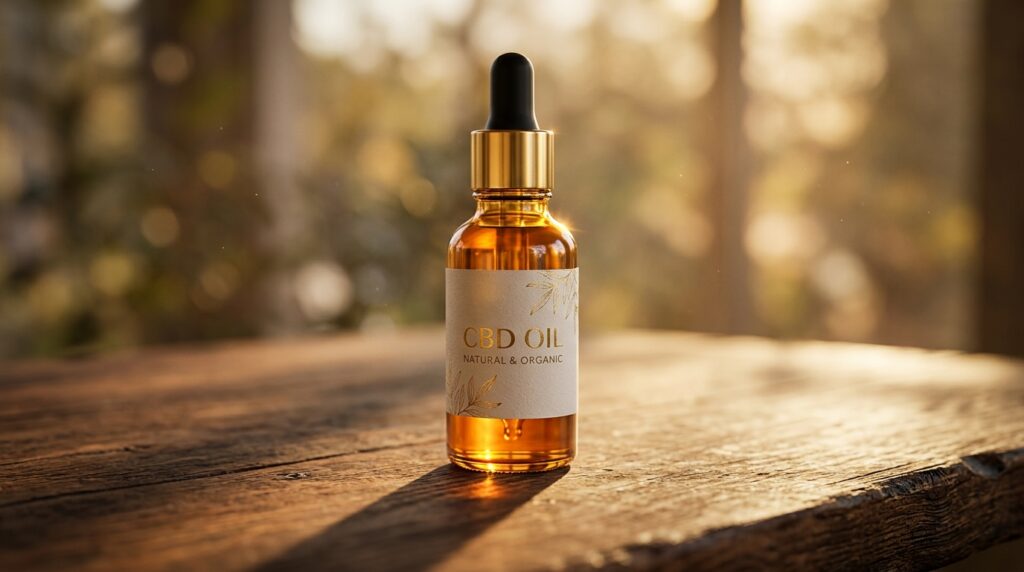
The best product choice often comes from asking better questions rather than browsing more listings. A bottle that suits one person’s preferences may be unsuitable for someone else, and a formula intended for a dog may not be appropriate for a cat. CBD Oil shoppers can narrow their choices by considering the intended use, product composition, concentration, and practical requirements before making a decision. A structured approach helps turn an overwhelming selection into a manageable shortlist.
Begin With Your Specific Requirements
A product search becomes more focused when the requirements are defined before comparing brands. Start by identifying who will use the product, why it is being considered, and which product characteristics matter most.
For example, someone researching CBD for personal use may want to understand the amount of cannabidiol in each serving and whether the product could interact with medication. A pet owner may need to confirm that a formula is intended for the correct animal and does not contain unsuitable ingredients.
These are different shopping situations. A product should not be selected simply because it has strong reviews or is popular among people with different needs.
If the search is connected to a health concern, seek professional advice before choosing a product. Symptoms such as persistent discomfort, changes in movement, or unusual behavior can have causes that require diagnosis. Shopping should not become a substitute for appropriate medical or veterinary assessment.
Create a short list of priorities
Consider these questions before opening multiple product pages:
- Who is the intended user?
- What is the reason for considering CBD?
- Is a particular extract type being considered?
- How important is clear concentration information?
- Are there ingredients that must be avoided?
- Is independent laboratory testing available?
- Is professional guidance needed before use?
Not every question will have an immediate answer. The purpose is to identify which details must be confirmed before a purchase is reasonable.
Choose a Formula Based on Its Composition
CBD products can contain different combinations of hemp-derived compounds. Understanding these categories can help shoppers compare formulas without assuming that one type is automatically superior.
Full-spectrum products
Full-spectrum extracts generally contain CBD along with other naturally occurring hemp compounds. Depending on the product, they may include trace amounts of THC. The exact composition should be verified through labeling and laboratory results.
Broad-spectrum products
Broad-spectrum extracts usually contain CBD and selected additional hemp compounds, with THC removed or reduced. The label does not independently confirm the final THC content, so relevant test results remain important.
CBD isolate products
CBD isolate contains cannabidiol separated from most other hemp compounds. The cannabinoid profile may be simpler, but the finished formula can still include other ingredients, such as carrier oils or flavorings.
These categories describe composition rather than proven effectiveness. Current evidence does not establish that one extract type is the best option for every intended use. The appropriate choice depends on the individual situation, product quality, and professional guidance when necessary.
Understand Concentration and Serving Information
Concentration is one of the most useful details for comparing products, but it is easy to misinterpret. The total CBD amount tells you how much cannabidiol is in the entire bottle. The concentration tells you how much is present in a specific volume.
Consider these examples:
| Example product | Total CBD | Bottle volume | Nominal concentration |
|---|---|---|---|
| Product A | 300 mg | 30 mL | 10 mg/mL |
| Product B | 600 mg | 60 mL | 10 mg/mL |
| Product C | 600 mg | 30 mL | 20 mg/mL |
Products A and B have the same nominal concentration despite their different total amounts and bottle sizes. Product C has twice the concentration of either one, but that does not automatically make it the best match.
The table illustrates label arithmetic, not a recommended serving. The appropriate amount, if any, depends on the product, intended user, and relevant professional advice.
Do not confuse the markings on a dropper with milligrams of CBD. A marking may measure liquid volume rather than the amount of cannabidiol. Unless the label provides a clear conversion, estimating a serving can lead to mistakes.
For pets, do not determine a serving solely from body weight or a general online calculator. A veterinarian should consider the animal’s species, medical history, current medication, and the specific formula before CBD is used.
Review Ingredients for Compatibility
A product’s suitability depends on more than its headline ingredient. Carrier oils, flavorings, sweeteners, and other additives can affect whether the formula is appropriate for the intended user.
Read the complete ingredient list rather than relying on phrases such as plant-based or natural. These descriptions do not establish that every component is safe for everyone.
Pet owners should be especially careful when comparing animal products with human formulations. Human CBD oils may contain flavorings or other ingredients that are unsuitable for dogs or cats. Xylitol, for example, is dangerous to dogs, so products containing it must not be given to them. Other ingredients may also pose risks depending on the species and amount consumed.
If the intended user has an allergy, medical condition, or medication requirement, ask a qualified professional to review the formula. For human use, CBD may interact with certain medicines. For animal use, a veterinarian can help evaluate potential interactions and identify signs that require attention.
A product with a simple ingredient list may be easier to evaluate, but simplicity alone does not prove quality. Testing, manufacturing transparency, and suitability remain important.
Match Quality Expectations to Verifiable Evidence
When two products appear similar, documentation can help distinguish them. Look for clear labeling, batch identification, and a certificate of analysis from a laboratory.
A COA can report the cannabinoid content of a tested sample and may include results for selected contaminants. Confirm that the report corresponds to the product being considered. The product name, batch number, testing date, and laboratory identity should be available.
Depending on the report, relevant testing may cover:
- CBD and THC levels.
- Selected heavy metals.
- Pesticide residues.
- Residual solvents.
- Microbial contaminants.
Check which tests were actually performed. A report that verifies cannabinoid content does not necessarily show that the sample was screened for every contaminant. Similarly, a COA does not prove that CBD will provide a particular medical benefit.
Product claims should be assessed with the same care. Statements promising guaranteed outcomes, cures, or results for every user should raise concerns. Customer reviews can describe individual experiences, but they cannot replace scientific evidence or professional advice.
Balance Practical Preferences With Product Quality
Once the essential safety and documentation requirements have been met, practical preferences can help narrow the shortlist.
Bottle size may matter to someone comparing storage needs or purchase frequency. A dropper may be convenient for measuring liquid, provided the instructions are clear. Flavor and texture may influence personal preference, but they should not outweigh ingredient transparency or suitability.
Price is another consideration, although the cheapest bottle is not always the best value. Compare the total CBD amount, volume, concentration, available testing, and clarity of the product information. Include shipping costs and review the seller’s return policy before ordering.
It can help to assign priorities in advance. For example, one shopper might consider laboratory transparency essential and packaging style unimportant. Another might need a specific bottle size while still requiring a complete ingredient list. Defining these priorities helps avoid being swayed by discounts or attractive product images.
Use a simple decision sequence
- Remove products that do not clearly identify their ingredients or CBD content.
- Set aside listings without adequate safety information or relevant testing.
- Compare concentration and bottle size among the remaining options.
- Review price and practical features.
- Seek professional guidance if the intended use involves a health concern, medication, or a pet.
If no product meets the essential requirements, continue researching rather than lowering the standards simply to complete the purchase.
Know When a Product Is Not the Right Answer
Sometimes the best decision is to postpone shopping. CBD is not appropriate for every situation, and a product search should not delay necessary care.
For people, a healthcare professional can assess whether CBD is suitable given existing conditions and medication. Anyone who is pregnant or breastfeeding should seek medical guidance before considering CBD.
For animals, a veterinarian should assess new or worsening symptoms before a supplement is introduced. CBD research in veterinary medicine remains limited for many proposed uses, and a product should not replace prescribed treatment without veterinary direction.
If a pet accidentally consumes a product containing THC or an unknown quantity of CBD oil, contact a veterinarian or animal poison service promptly. Seek urgent veterinary care for severe signs such as seizures, collapse, or breathing difficulty. Keep the bottle and packaging available so the product’s ingredients and concentration can be identified.
Final Thoughts
Finding the best CBD oil match means balancing composition, concentration, ingredient transparency, testing, and individual requirements. No single extract type, price point, or product claim establishes suitability for everyone. A careful comparison, combined with qualified advice when health is involved, supports a more informed and responsible decision.